



Get in touch with us today (+39) 320 6015260
_______
A more harmonious smile, even with gaps between your teeth
A diastema is a visible gap between two teeth, most often between the upper front teeth.
In some cases, it may be a natural feature of a smile; in others, it may be a cosmetic concern someone would like to address.
Dental veneers can help reduce or visually close some diastemas by changing the shape and proportions of the teeth.
The best option depends on the width and cause of the gap, as well as the condition of the teeth and gums.
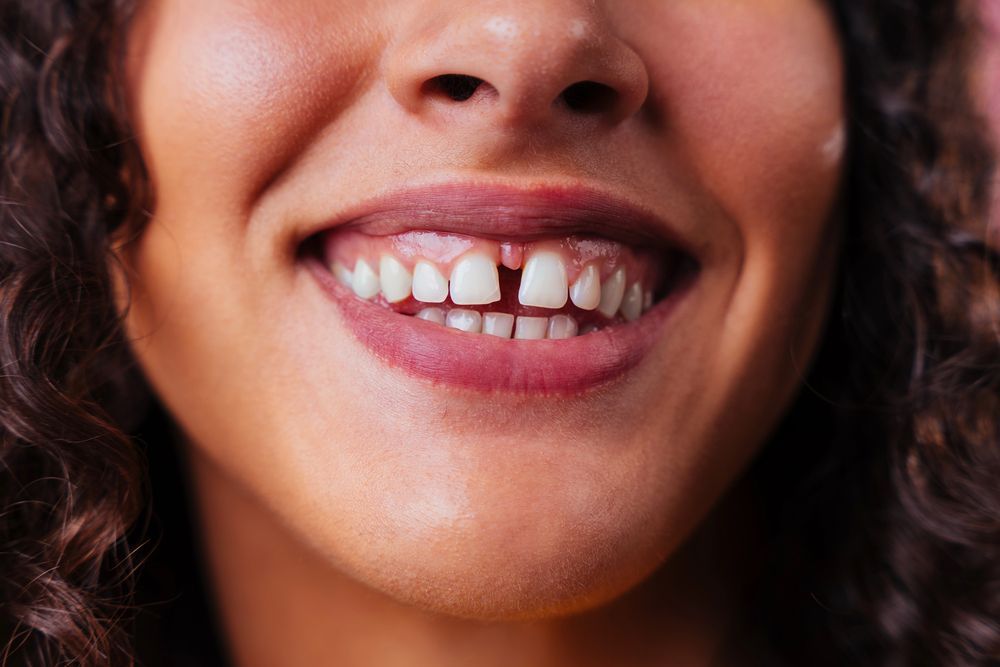
What is a diastema?
The term diastema refers to a gap wider than usual between two teeth.
The best-known example is the gap between the upper central incisors, but a diastema can also occur elsewhere in the dental arch.
There can be several causes, including individual anatomical features, tooth size, tooth position and, in some cases, the relationship with the labial frenulum.
That’s why it’s important to understand what caused the gap before choosing how to treat it.
How can veneers help?
Veneers are bonded to the visible surface of the teeth and can change their shape and apparent width.
When treating a small diastema, the design may involve slightly increasing the size of the teeth next to the gap to reduce or visually close it.
The result should be carefully planned to preserve natural-looking proportions.
Closing a gap isn’t simply a matter of making the teeth wider.
_______
When might veneers be recommended?
Veneers may be considered, particularly for small diastemas and when the teeth are suitable for this type of treatment.
They may be considered when:
- the gap is primarily a cosmetic concern;
- the shape or size of the teeth involved allows for a harmonious change;
- there are no dental or gum conditions that need to be treated first;
- the bite is suitable for treatment;
- the desired result can be achieved without making the teeth look too wide.
An individual assessment is essential.
_______
Veneers or orthodontics to close a diastema?
Veneers
They mainly improve theappearance of the teeth by changing their shape and proportions. They may be considered in some cases when a cosmetic change to the smile is desired.
Orthodontics
Instead, it works on the
position of the teeth, gradually moving them to reduce or close the gap. It may be more suitable when the diastema is associated with tooth misalignment or when the dental arch needs to be realigned.
Which should you choose?
There’s no one-size-fits-all solution.
The right choice depends on the diastema’s characteristics and cause, your oral health, and the result you hope to achieve.
_______
A diastema can have different causes
Before closing a gap between teeth, it’s important to understand why it formed.
Among other things, it may be related to:
- tooth size;
- tooth position;
- how the teeth developed;
- the relationship between the teeth and dental arches;
- the presence and attachment of the frenulum;
- certain gum or dental conditions.
If a diastema has appeared recently or changed over time, it’s particularly important to have a dental assessment before proceeding with cosmetic treatment.
_______
A natural-looking smile after closing a diastema
One of the most important considerations is maintaining the right tooth proportions.
If the gap is closed by making the teeth too wide, the result may look unnatural.
That’s why we assess:
- tooth width and height;
- the shape of the incisors;
- proportions between the teeth;
- the smile line;
- the relationship between the teeth and gums;
- facial and lip features.
The goal is a harmonious smile, not simply eliminating the gap.
_______
The process of treating a diastema
Initial assessment
We examine the teeth, gums, bite, and characteristics of your smile.
Identifying the cause
Your dental professional assesses the diastema and any factors that may have contributed to it.
Assessing the options
We determine whether veneers are appropriate or whether orthodontic treatment or another option would be preferable.
Smile design and veneer placement
If veneers are suitable, we plan the shape, size, and color of the teeth involved. The veneers are made to the agreed design and fitted according to the appropriate clinical protocol.
_______
What happens after a diastema is closed?
The stability of the result depends on the cause of the diastema and the treatment performed.
After orthodontic treatment closes the gap, retainers may be needed to maintain the new tooth positions over time.
Regular dental checkups, good oral hygiene, and following your dental professional’s instructions are also important with veneers.
Frequently asked questions
هل يمكن للتركيبات الخزفية أن تسد الفراغات بين الأسنان؟
في بعض الحالات، نعم. يمكن أن تغير قشور الأسنان شكل وحجم الأسنان وتقلل أو تغلق بعض الفراغات بصريًا، خاصة عندما يكون الفراغ بين الأسنان صغيرًا والظروف مواتية.
هل تُعدّ قشور الأسنان أفضل من تقويم الأسنان لعلاج تباعد الأسنان؟
هذه علاجات مختلفة. تعمل قشور الأسنان بشكل أساسي على تحسين مظهر الأسنان، بينما يعالج تقويم الأسنان وضعها. ويعتمد الاختيار على سبب وخصائص الفراغ بين الأسنان.
هل من الممكن إغلاق الفراغ بين الأسنان دون بردها؟
في بعض الحالات، يمكن اللجوء إلى تقنيات محافظة للغاية، بما في ذلك تركيب القشور التجميلية مع تحضير بسيط أو بدون تحضير على الإطلاق. يعتمد هذا الخيار على شكل وحجم الأسنان والفراغ المراد ملؤه.
هل ستبدو النتيجة طبيعية؟
تعتمد المظهر الطبيعي بشكل أساسي على التصميم. لذلك، من المهم الحفاظ على تناسب متوازن بين عرض وارتفاع الأسنان وتنسيقها مع بقية الابتسامة.
هل يمكن أن تعود الفراغات بين الأسنان بعد العلاج؟
يعتمد ذلك على السبب والعلاج المستخدم. فبعد علاج تقويم الأسنان، على سبيل المثال، قد يكون استخدام أجهزة التثبيت ضروريًا. ويمكن لطبيب الأسنان أو أخصائي تقويم الأسنان تقديم توصيات محددة بناءً على حالتك.
هل من الضروري دائمًا إغلاق الفراغ بين الأسنان؟
لا، قد يكون وجود فراغ بين الأسنان سمة طبيعية للابتسامة ولا يستدعي بالضرورة علاجاً. يعتمد قرار التدخل على الاعتبارات الجمالية، وإن وُجدت، على الاحتياجات الطبية.

"Get the dream look you deserve"
See you soon,
Dr. Andrea Aru
Medical Director of Gold Clinique
Cosmetic Dentist
Creator of the Gold Clinique Method
Dr. Aru Andrea, registration no. 361 – Sassari Order of Dentists


