



Get in touch with us today (+39) 320 6015260
_______
A more harmonious smile, even with uneven teeth
Slightly crooked or rotated teeth, or teeth with minor irregularities, can affect the harmony of your smile.
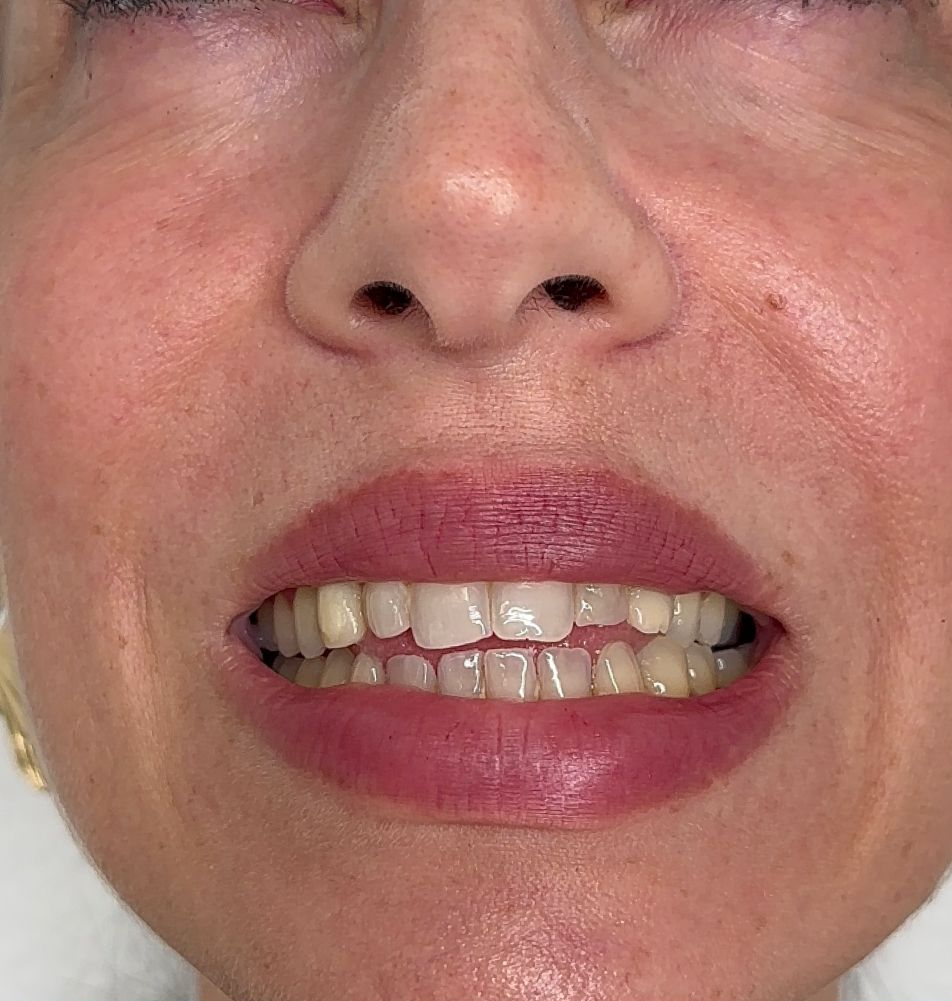
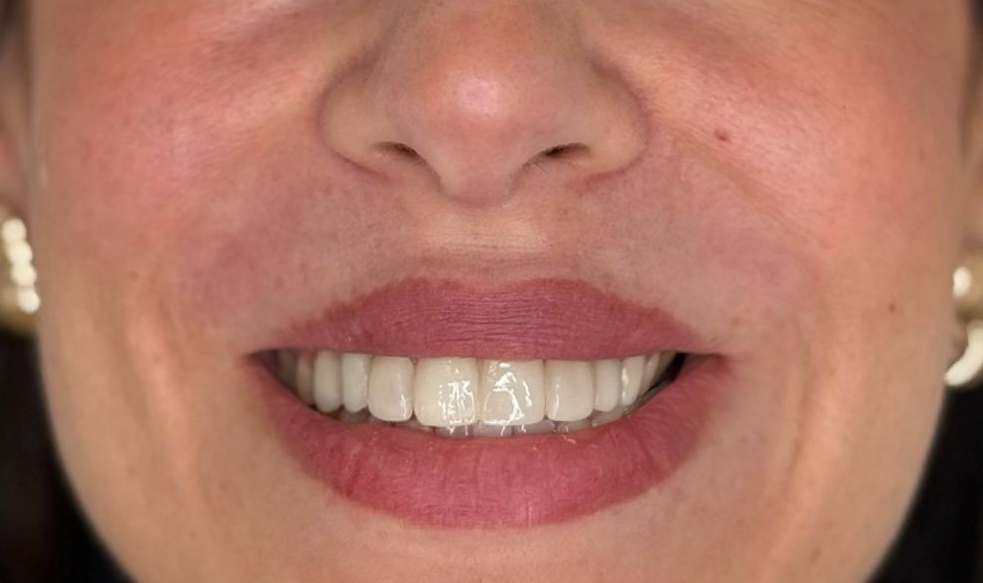
In some selected cases, dental veneers can improve the appearance of teeth and create the look of a more even smile by changing their shape, proportions and colour.
However, this does not actually “straighten” the teeth: veneers change their outer appearance. That is why it is essential to assess each case individually and determine whether cosmetic treatment is appropriate or orthodontic treatment would be preferable.
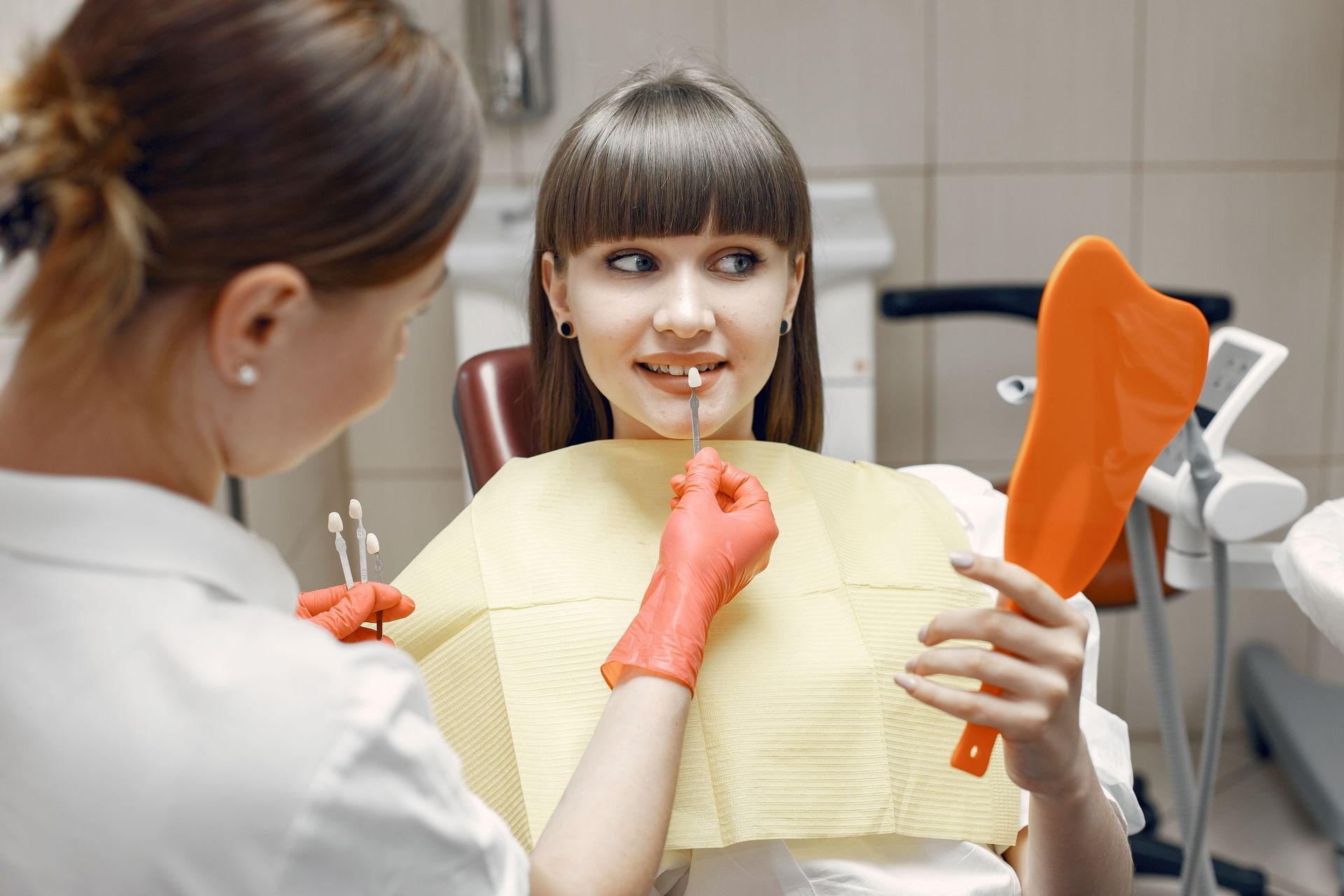
Veneers or braces: what's the difference?
When a patient wants to address crooked teeth, it is important to distinguish between correcting tooth position and cosmetic correction.
Orthodontics changes the position of teeth by gradually moving them.
Veneers, on the other hand, are bonded to the surface of the teeth and can change their shape, size and colour, making them look more even in certain cases.
The right option depends on the clinical situation, degree of misalignment and treatment goals.
When might veneers be a suitable option?
Veneers may be considered, particularly when irregularities are mild and the concern is primarily cosmetic.
For example, they may help improve the appearance of:
- slightly rotated teeth;
- minor misalignment;
- differences in shape or size;
- small gaps between teeth;
- uneven tooth edges;
- some imperfections that make the smile look less harmonious.
However, veneers are not automatically suitable when the position of the teeth needs to be significantly changed or functional problems need to be corrected.
_______
How can they make a smile look more even?
Veneers can visually enhance the proportions and shape of the teeth.
With a customised treatment plan, it is possible to assess:
Shape
Tooth shape can be adjusted to create greater harmony between the teeth in your smile.
Proportions
Tooth height and width are considered together.
Visual alignment
In some cases, the shape of veneers can create the appearance of a more even smile.
Colour
A consistent shade can contribute to the overall harmony of your smile.
The aim is not to make every tooth identical, but to create a balanced, natural-looking result.
_______
Not all crooked teeth can be treated with veneers
This is one of the most important things to consider.
If teeth are significantly misaligned, there is not enough space, or there are bite problems, simply placing veneers may not be the right solution.
In some cases, orthodontic treatment may be more appropriate.
In other cases, combined solutions may be considered, potentially combining orthodontics and cosmetic dentistry.
The priority is to choose a treatment that respects the health, function and structure of your teeth.
_______
Veneers for crooked teeth: what to expect
Smile Analysis
Your dentist will assess the position, shape, size and condition of your teeth, as well as the health of your gums.
Occlusion assessment
We assess how the upper and lower dental arches meet to determine whether they are compatible with any proposed cosmetic treatment.
Treatment options
We assess whether veneers could enhance your smile, or whether orthodontic treatment or a combined approach may be more appropriate.
Design and fabrication
If veneers are suitable, their shape, proportions and colour are planned to complement your smile and face. The veneers are made to the agreed treatment plan and fitted in accordance with the relevant clinical protocol.
_______
A more even smile that still looks natural
Making a smile look more even does not necessarily mean creating perfectly identical teeth.
The shape of your face, lips, gums and individual features should all be considered in the treatment plan.
An effective cosmetic result should look natural, without making teeth appear disproportionate or overly bulky.
That is why each veneer should be designed in relation to the neighbouring teeth and the smile as a whole.
_______
Veneers and orthodontics: can they work together?
In some cases, yes.
When misalignment is more significant, it may be necessary to first correct the position of the teeth with orthodontic treatment.
Afterwards, if there are any remaining cosmetic concerns, your dentist can assess whether restorative treatment may be appropriate.
The sequence and combination of treatments always depend on your individual needs.
Frequently asked questions
هل يمكنني تركيب قشور الأسنان إذا كانت أسناني معوجة؟
يعتمد ذلك على درجة عدم الاصطفاف وحالة الأسنان. قد تكون القشور مناسبة لبعض حالات عدم الانتظام الطفيفة، لكنها لا تلائم جميع أنواع سوء تموضع الأسنان.
هل تقوّم القشور الأسنان؟
لا. لا تحرّك قشور الأسنان الأسنان من مواضعها فعليًا. لكنها قد تغيّر شكلها ومظهرها، فتمنح الابتسامة في بعض الحالات مظهرًا أكثر انتظامًا.
أيهما أفضل: قشور الأسنان أم التقويم؟
لا يوجد خيار أفضل في جميع الحالات. فلكل علاج هدف مختلف: يعمل تقويم الأسنان على تغيير مواضع الأسنان، بينما تركز القشور أساسًا على تحسين المظهر. وينبغي اتخاذ القرار بعد تقييم متخصص.
هل يمكنني الاستغناء عن تقويم الأسنان باستخدام القشور؟
في بعض الحالات البسيطة، قد يكون من الممكن تحسين المظهر دون علاج تقويم الأسنان. أما إذا كانت هناك حاجة إلى تصحيح مواضع الأسنان أو الإطباق، فلا تُغني القشور عن التقويم.
هل يمكن لقشور الأسنان معالجة الفراغات بين الأسنان أيضًا؟
في بعض الحالات، يمكنها المساعدة في تقليل مظهر الفراغات الصغيرة بين الأسنان. ويعتمد الخيار الأنسب على حجم الفراغ وسببه.
هل يلزم برد الأسنان؟
يعتمد تحضير الأسنان على نوع القشور وحالة الأسنان. في بعض الحالات، يمكن اتباع أسلوب طفيف التوغل أو تركيب القشور دون تحضير يُذكر، بينما قد يكون التحضير ضروريًا في حالات أخرى.

"Get the dream look you deserve"
See you soon,
Dr. Andrea Aru
Medical Director of Gold Clinique
Cosmetic Dentist
Creator of the Gold Clinique Method
Dr. Aru Andrea, registration no. 361 – Sassari Order of Dentists


