



Get in touch with us today (+39) 320 6015260
_______
How are dental veneers fitted?
Dental veneers are thin cosmetic restorations bonded to the front surfaces of the teeth to improve their shape, colour, proportions and overall harmony. Treatment requires careful planning and several stages, allowing the dentist to assess the smile and create custom veneers.
Fitting veneers is about more than simply bonding a covering to the tooth: before final bonding, the health of the teeth and gums must be assessed, the aesthetic result planned and the most suitable type of preparation determined.
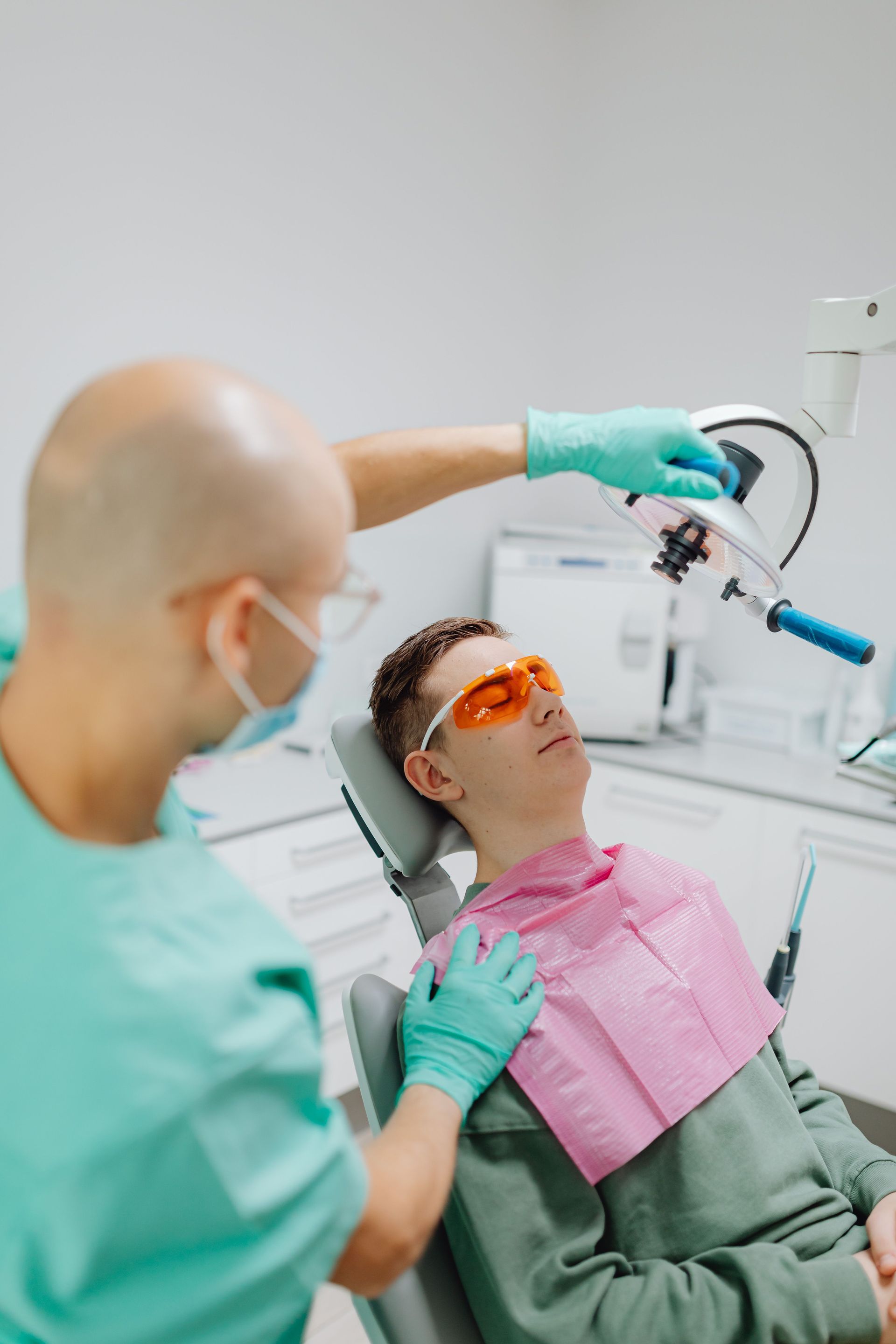
First step: your dental consultation
Treatment begins with a consultation, during which the dentist assesses the health of your mouth and the characteristics of your smile.
The dentist assesses factors such as:
- tooth shape and size;
- tooth colour and shade;
- tooth position;
- gaps or imperfections;
- the condition of the teeth and gums;
- the bite and relationship between the dental arches;
- any signs of wear or functional problems.
Any existing dental problems should be identified and, where necessary, treated before veneers are fitted.
Smile design
Once the initial situation has been assessed, the aesthetic treatment plan is defined.
The planning process establishes the shape, size, proportions and shade of the veneers in relation to the patient's facial features and smile.
When appropriate, photographs, impressions or digital scans may be used, along with design tools that allow the potential result to be simulated.
The aim is to create a balanced, harmonious smile, avoiding veneers that look too large, uniform or unnatural.
The mock-up: a preview of the result
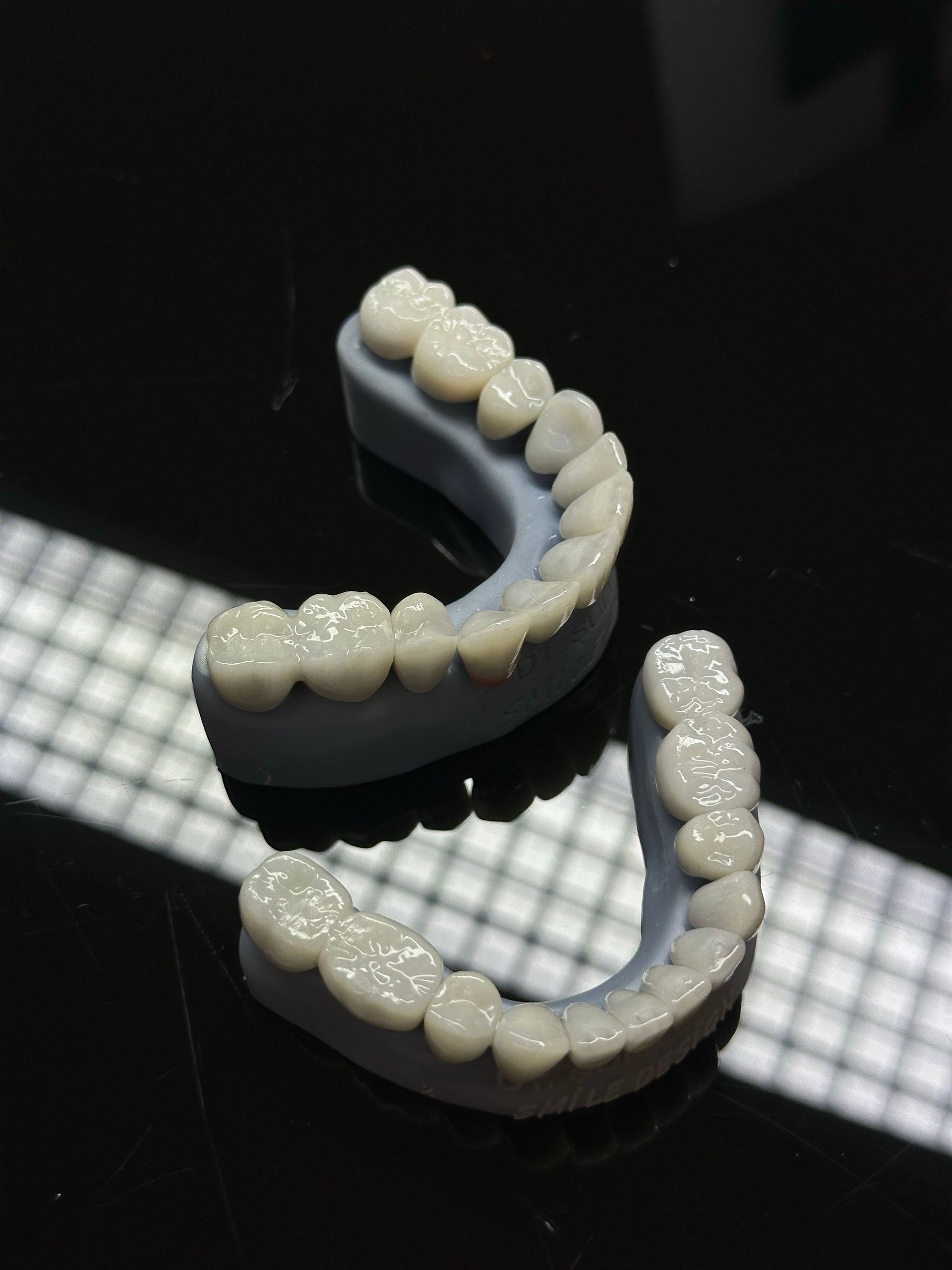
For some treatments, a mock-upmay be created—a temporary simulation of the planned aesthetic changes.
A mock-up lets you preview the potential result and assess the shape, proportions and volume of the teeth before proceeding with the final veneers.
This stage can be particularly useful for discussing the plan with the patient and making any necessary changes to the aesthetic design.
_______
Tooth preparation: Prep or No-Prep
One of the most important steps is determining whether the tooth surface needs to be prepared.
With Prep veneers, the dentist may perform a very conservative preparation of the enamel to create space for the veneer and ensure the restoration integrates properly.
By contrast, No-Prep veneersare designed to be fitted without conventional preparation or with only minimal preparation, when the case allows.
The choice is not based solely on the desire to avoid tooth reduction; it depends on the teeth's initial condition and the result that can be achieved both aesthetically and functionally.
_______
Impression taking or digital scanning
Once the design has been finalised, the information needed to make the custom veneers is collected.
Depending on the technology available at the practice and the needs of the case, this may be done using a traditional impression or a digital intraoral scan.
The dental laboratory uses this information to make veneers that meet the clinician's specifications and follow the agreed treatment plan.
_______
Veneer fabrication
Veneers are made from materials specifically designed for cosmetic dentistry, chosen according to the clinical and aesthetic needs of each case.
At this stage, features such as the following are determined:
- shape;
- size;
- thickness;
- shade;
- translucency;
- surface texture.
Customization allows veneers to be designed to complement the patient's natural teeth and smile.
_______
Veneer try-in
Before final bonding, veneers may be tried on the teeth if this step is part of the treatment protocol.
This allows the dentist to check several factors, including shape, size, shade, fit and how the veneers relate to the neighbouring teeth.
The try-in is also an important opportunity to confirm that the result matches the previously agreed aesthetic plan.
Any changes can be considered before final bonding.
_______
Preparation of the toothsurface.
Before final placement, the tooth surface and the inner surface of the veneers are prepared according to the specific protocol for the material being used.
This step is essential for achieving a strong bond between the tooth and the veneer.
The procedures and materials used may vary depending on the type of veneer and the material selected.
For this reason, the clinician determines the protocol based on the specifics of the treatment.
Final occlusion check
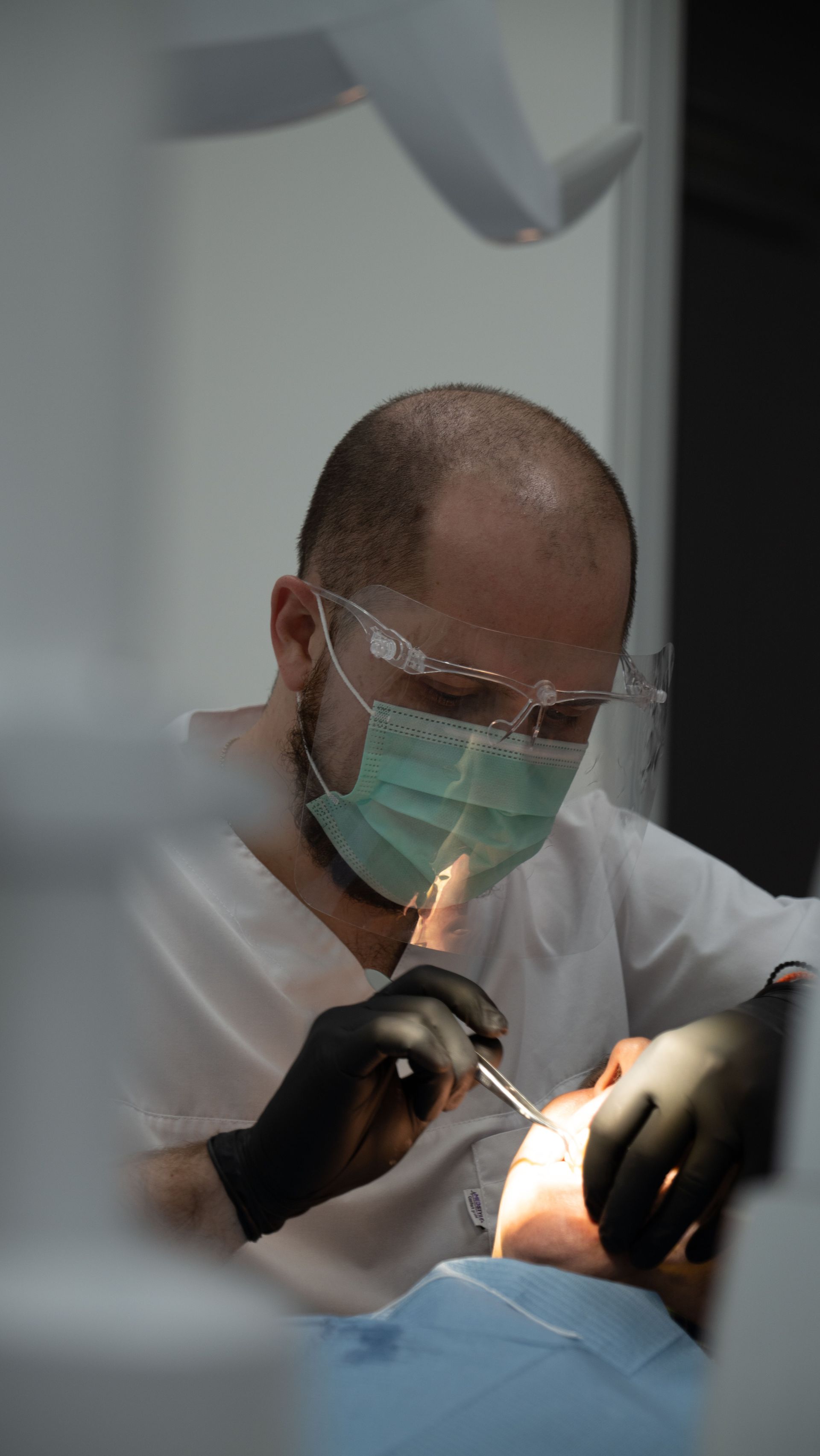
After the veneers are bonded, the dentist checks the relationship between the upper and lower dental arches and how the teeth meet when the mouth closes.
This check helps identify any areas where the teeth are not contacting properly and allows for minor adjustments if needed.
The aim is to ensure the veneers are well integrated not only aesthetically, but also functionally.

"Get the dream look you deserve"
See you soon,
Dr. Andrea Aru
Medical Director of Gold Clinique
Cosmetic Dentist
Creator of the Gold Clinique Method
Dr. Aru Andrea, registration no. 361 – Sassari Order of Dentists


